
Himalayan Sojourn
Overview
A region that has inspired many an ode and novel, the Himalayas stand tall as a global biodiversity hotspot. From historic wildlife sanctuaries to quaint mountain villages, this trip is a complete dose of adventure and culture.
Nestled in the heart of Himachal Pradesh lies the Great Himalayan National Park – one of India’s most pristine wilderness areas and a UNESCO World Heritage Site. With elevations ranging from subtropical forests to alpine meadows and icy peaks, the park protects some of the last intact temperate ecosystems in the Western Himalaya. Towering oak and rhododendron forests give way to rugged cliffs where Himalayan Tahr, Bharal, and even Snow Leopards roam. In the lower reaches, one may encounter leopards, flying squirrels, serows, and the elusive Asiatic black bear. The region is also a paradise for birders, offering sightings of over 300 species, including several pheasants—most notably the endangered Western Tragopan, found only in a handful of remote pockets of oak forest here. The adventure unfolds by car and on foot, tracing trails once used by shepherds, across river valleys, forests, and high ridges. Guests are hosted at well-appointed lodges and campsites that offer comfort without compromising the deep immersion into this majestic Himalayan wilderness.
7 Nights and 8 Days
A scenic high-altitude trek through alpine meadows, mixed temperate forests, and subalpine zones of the Great Himalayan National Park, a UNESCO World Heritage Site. The trail passes through oak, rhododendron, deodar, and pine forests as well as Alpine Grasslands.
Precautions
Carry good trekking shoes, layered quick-dry clothing, a warm jacket, rain gear, trekking poles, refillable water bottle, sunscreen, hat and gloves, headlamp, personal first-aid, and snacks or energy bars. Acclimatize gradually and stay hydrated throughout.
Expected Weather
Cool to cold temperatures, especially in the mornings and evenings, with clear, crisp days typical of spring in the Himalayas. Temperatures can range from 5°C – 20°C, depending on altitude. Occasional spring showers are possible. Layered clothing is essential, including a warm jacket, thermals, and rain protection.
Physical Level
Moderate to challenging, depending on the trail. The trek involves continuous walking on mountainous terrain, with steep ascents and descents, and altitude gain. Prior trekking experience and basic fitness are recommended.
Itinerary
Day 1: Delhi to Aut & Sunshine Cottages
Get off at Aut by 9 am via a night bus from Delhi to Manali.(Or fly to Kullu from Delhi and drive 2 hrs). Relax first half of the day, visit the interpretation centre of GHNP and get an orientation for the trip. Aut is 2 hrs before Manali, this is where we access the Tirthan valley from. A vehicle will drive us from Aut to our accommodation – Sunshine Cottages (45 mins). Settle in and relax till lunch and a few hours after. Evening we set off to the interpretation centre of GHNP and understand more about what to expect for the upcoming days.
Day 2: Prepare for the Trek
Short morning birding walk followed by breakfast. Trek to a waterfall and return for lunch. Post lunch, the plan is kept open. You can take a swim in the river or go for a stroll. The aim is to rest and get ready for the next 4 days of trekking.
Day 3: Drive to Sai Ropa. Trek to Rolla
After breakfast, drive to Sai ropa and trek to the first camp – Rolla (6-7 hrs). Sai ropa is the entrance to GHNP, from here we trek at a steady pace to Rolla. Today is a relatively easy walk. Interesting birds to expect on this route – Himalayan woodpecker, YellowRed-billed Blue Magpies, Speckled Wood-Pigeon, Great Barbet, Hill Partridge, bullfinches, spotted/little forktails, rufous sibia and lots more. Chances of seeing Goral, serow and Yellow-throated Martens are good. Marvel at the giant Horse chestnut, oak and gnarly old Rhododendron trees. Reach Rolla by late afternoon and settle into the campsite. Overnight in tents.
Day 4: Rolla to Shilt
Today is a steep 6 km walk up to the next campsite – Shilt. As we ascend, the habitat transforms from oak to coniferous forests with alpine grasslands. This is prime area for pheasants – Monal, Kokklass and the infamous Western Tragopan. There are chances of seeing Himalayan tahr and Musk Deer. Asiatic Black Bears too roam here. Himalayan griffons, golden eagles, bearded vultures can be spotted soaring. The mountain vistas from Shilt are truly stunning. Spend the evening tracking the Western Tragopan. Overnight in tents.
Day 5: Shilt to Chordwari & back
Early morning bird walk, breakfast at camp thereafter hike to Chordwari dweep and return to Shilt by evening. Another incredible walk deep inside the national park, a combination of flat and undulated terrain today. We will look out for all the birds (especially pheasants and partridges) and mammals found in higher elevation. Chordwari dweep is a stunning waterfall and waterbody inside the forest. Overnight in tents.
Day 6: Shilt to Kharibcha
After breakfast, we make our way back from Shilt to Kharibcha gate campsite. We start our descent, today is a steep downhill walk. As usual, we keep an eye on all the incredible life around us. Overnight in tents.
Day 7: Kharibcha to Sai Ropa
A short hike from Kharibcha to Sai Ropa and then drive back to Sunshine Cottages for lunch. Rest of the day is free for you to enjoy however you like. Overnight at Sunshine Cottages
Day 8: Depart from GHNP to Delhi
Rest day at Sunshine till lunch. Drive back to the bus stop in the evening to catch the overnight bus to Delhi or drive to Kullu to catch a flight back to Delhi.


Map & Other Info
Cost Estimate: ₹ 55,000 onwards
Trip Inclusions:
- Accommodation for all hotels mentioned, unless booked separately by the client
- Meals at all places of accommodation, unless mentioned
- Local guides and support at birding/wildlife sites
- Internal flights, unless indicated otherwise by client
- All entry fees in sanctuaries, monuments, safari drives, birding walks and
excursions as per the itinerary. - All road transfers by air-conditioned SUV or Tempo Traveler (Urbania).
- Taxes.
Trip Exclusions:
- Expenses of personal nature (beverages, laundry, telephone, souvenirs, etc.).
- Meals/snacks and flights beyond what is mentioned in the itinerary.
- Gratuities for local staff, guides and drivers.
MAP
Extensions
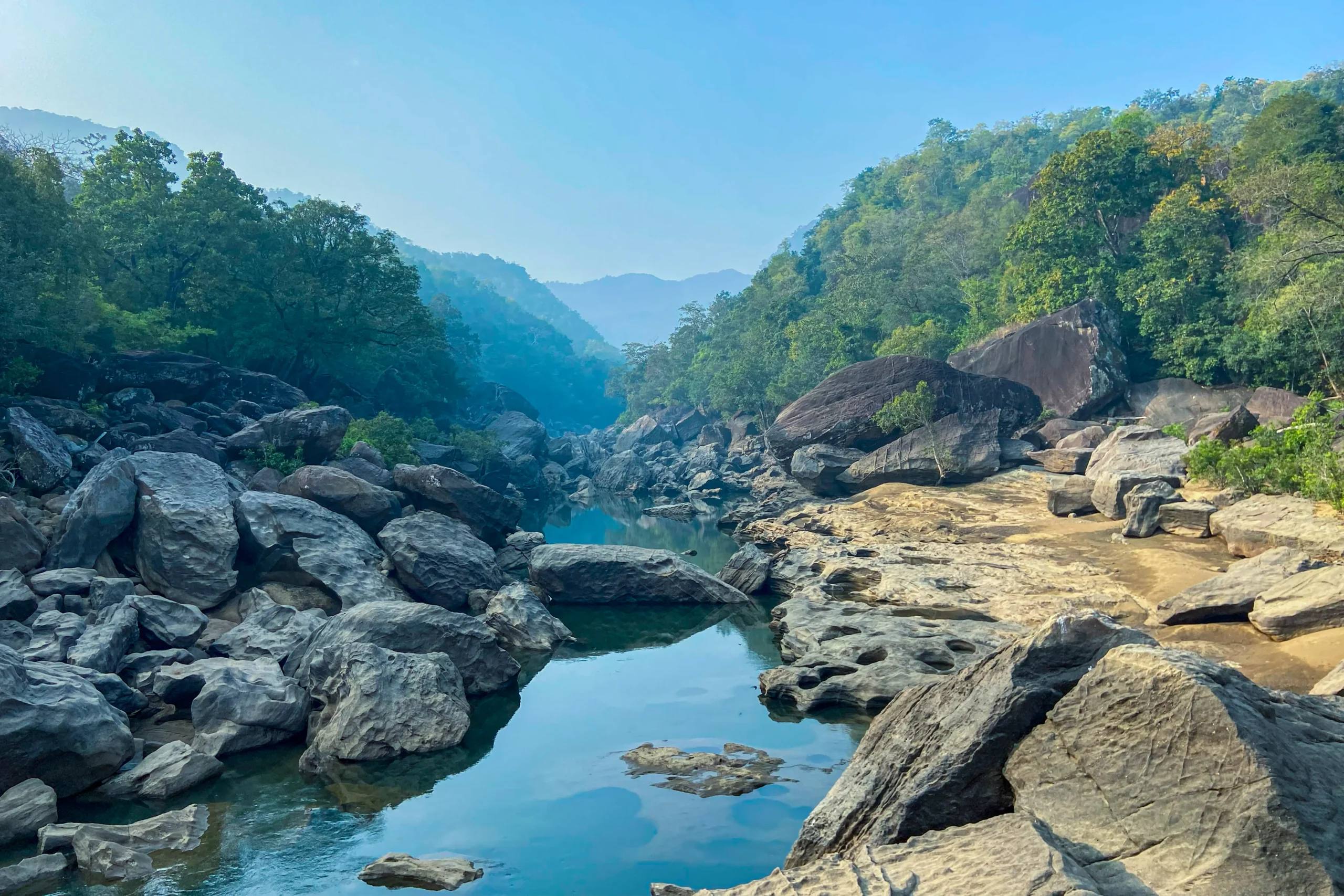
Satpuras
4 Nights & 5 Days
Satpura offers an immersive wilderness experience through rugged hills, teak forests, and rivers. Safaris in the quiet Bori–Satpura reserves provide chances to see tigers, leopards, sloth bears, gaur, dholes, crocodiles, and rich birdlife. Diverse terrain and options for guided walks and canoeing create a uniquely intimate wildlife experience.

Bharatpur & Taj Mahal
4 Nights & 5 Days
This extension explores Bharatpur’s rich wetlands, offering sightings of the Dusky Eagle-Owl, Sarus Crane, and Striated Babbler. Continue to Agra to visit the impressive Agra Fort and admire the Taj Mahal from across the river, followed by a morning visit to the monument before returning to Delhi.

Haryana & Punjab
4 Nights & 5 Days
This extension blends wildlife and culture across Haryana and Punjab. Explore Manethi’s acacia scrub for the White-naped Tit, Indian Spotted Creeper, and White-bellied Minivet. Continue to Harike Wetland for floodplain specialists like the Rufous-vented Grass-Babbler, Sind Sparrow, and wintering waterfowl, ending with a visit to Amritsar’s Golden Temple.
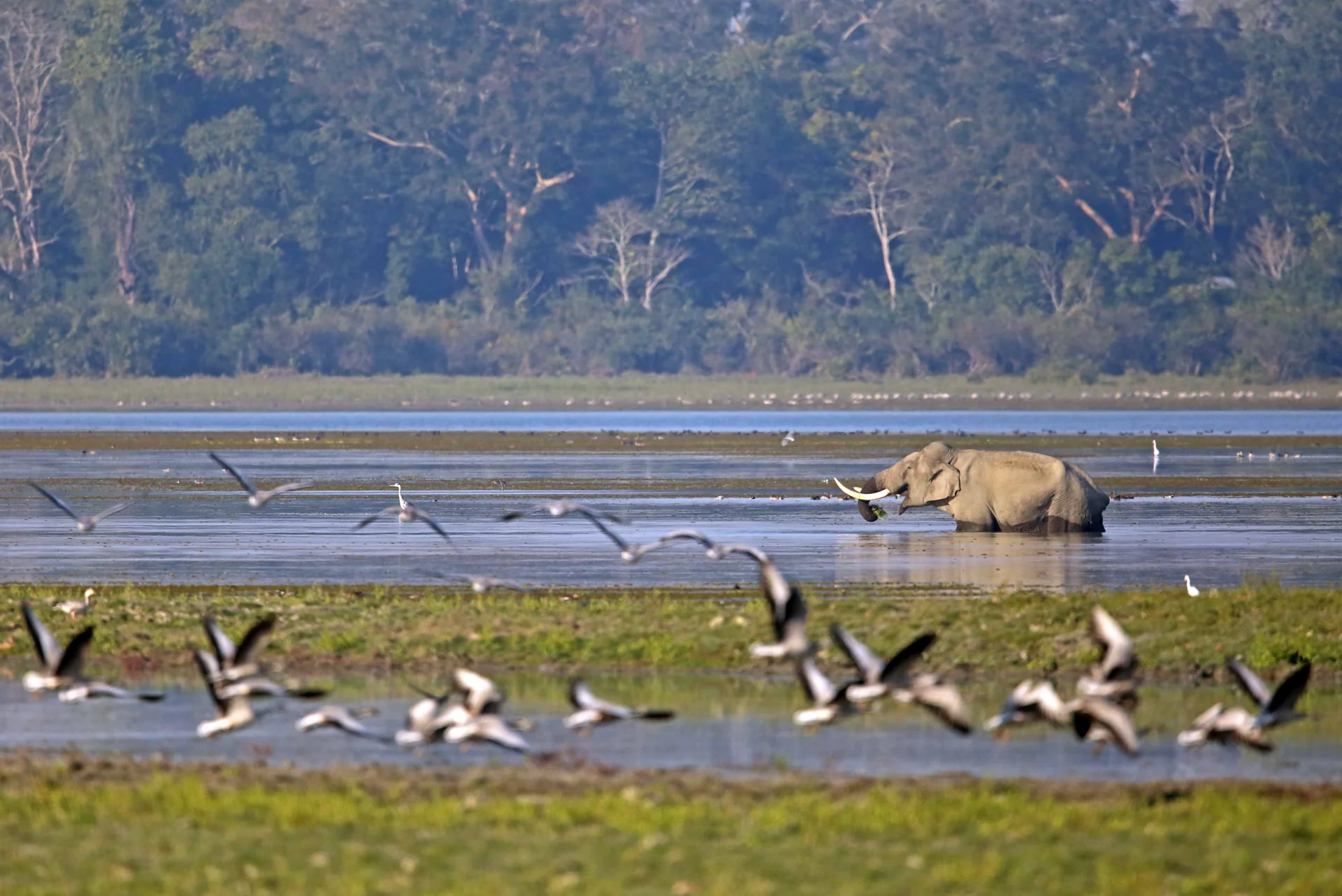
Kaziranga & Jorhat
5 Nights & 6 Days
This Assam extension features Kaziranga’s rhinos, tigers, elephants, and 470+ bird species, including the Bengal Florican. It continues to Hoollongapar Gibbon Sanctuary to see western hoolock gibbons, diverse primates, and rich forest biodiversity, offering an ideal complement to Kaziranga’s grassland and woodland wildlife.