
Projects at School
Elevate your learning with projects meticulously designed to complement academic goals. Following in the principles of Project based learning, our programs blend rigorous research methodology, deep reflection, and direct, hands-on engagement right here on campus and in our local community. This approach allows students to build critical context, apply classroom theory to complex, real-world problems, and deepen their mastery of subjects by becoming active problem-solvers and knowledge creators.
Our engagements offer a truly hands-on educational experience, transforming abstract concepts into tangible skills and ecological impact. Our past projects included.
Ecological Restoration and Sustainability
These projects focus on environmental science, conservation, and practical sustainability, turning our campus into a living laboratory:
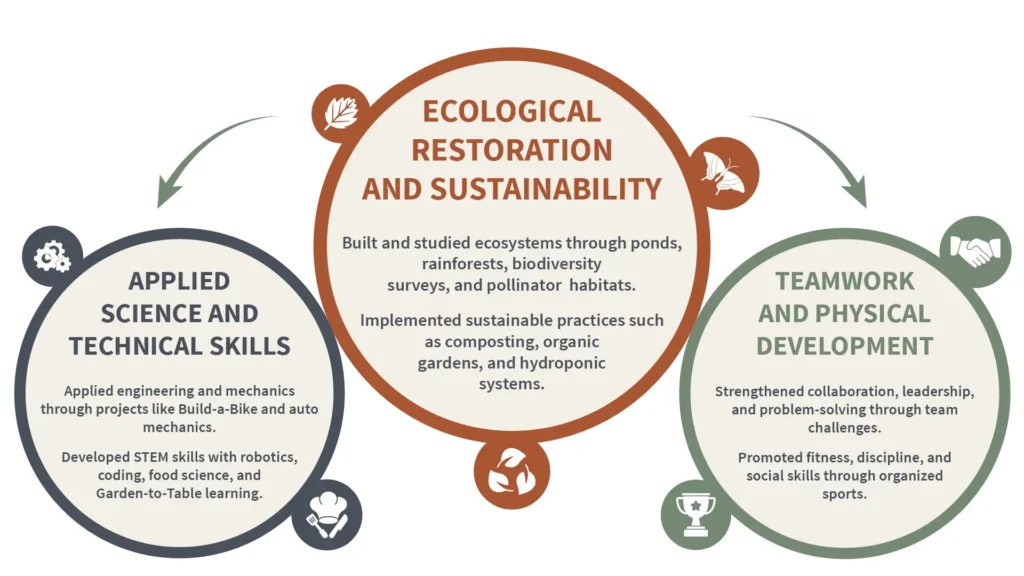
- Ecosystem Design and Construction: Students engaged in the full lifecycle of building a pond and rainforest ecosystem. This involved research into native species, water management, soil composition, and creating sustainable habitats.
- Biodiversity and Citizen Science: Initiatives like the campus Bio-Blitz (a rapid survey of all living species) and the creation of butterfly gardens and bee hives taught students about biodiversity monitoring, pollination, and ecological interdependence.
- Sustainable Infrastructure: Students researched and implemented sustainable systems, including setting up nesting boxes for local birds, developing a comprehensive waste audit and composting system, and establishing organic gardens and hydroponic systems for food security lessons.
Applied Science and Technical Skills
These projects emphasize STEM principles, engineering design, and practical mechanics:
- Applied Mechanics and Engineering: Challenges like the Build-a-Bike project and basic auto mechanics provided practical lessons in physics, mechanics, troubleshooting, and tool safety.
- Robotics and Technology: Robotics projects introduced students to coding, electrical engineering, sensor technology, and complex problem-solving through design and competition.
- Food Science and Nutrition: The Garden-to-Table concepts linked food production directly to nutrition, culinary arts, and supply chain awareness, offering a practical lesson in farm-to-fork economics.
Teamwork and Physical Development
These activities fostered collaboration, leadership, and resilience:
- Collaborative Problem-Solving: Team challenges focused on communication, strategy, and leadership under pressure, enhancing soft skills crucial for any future career.
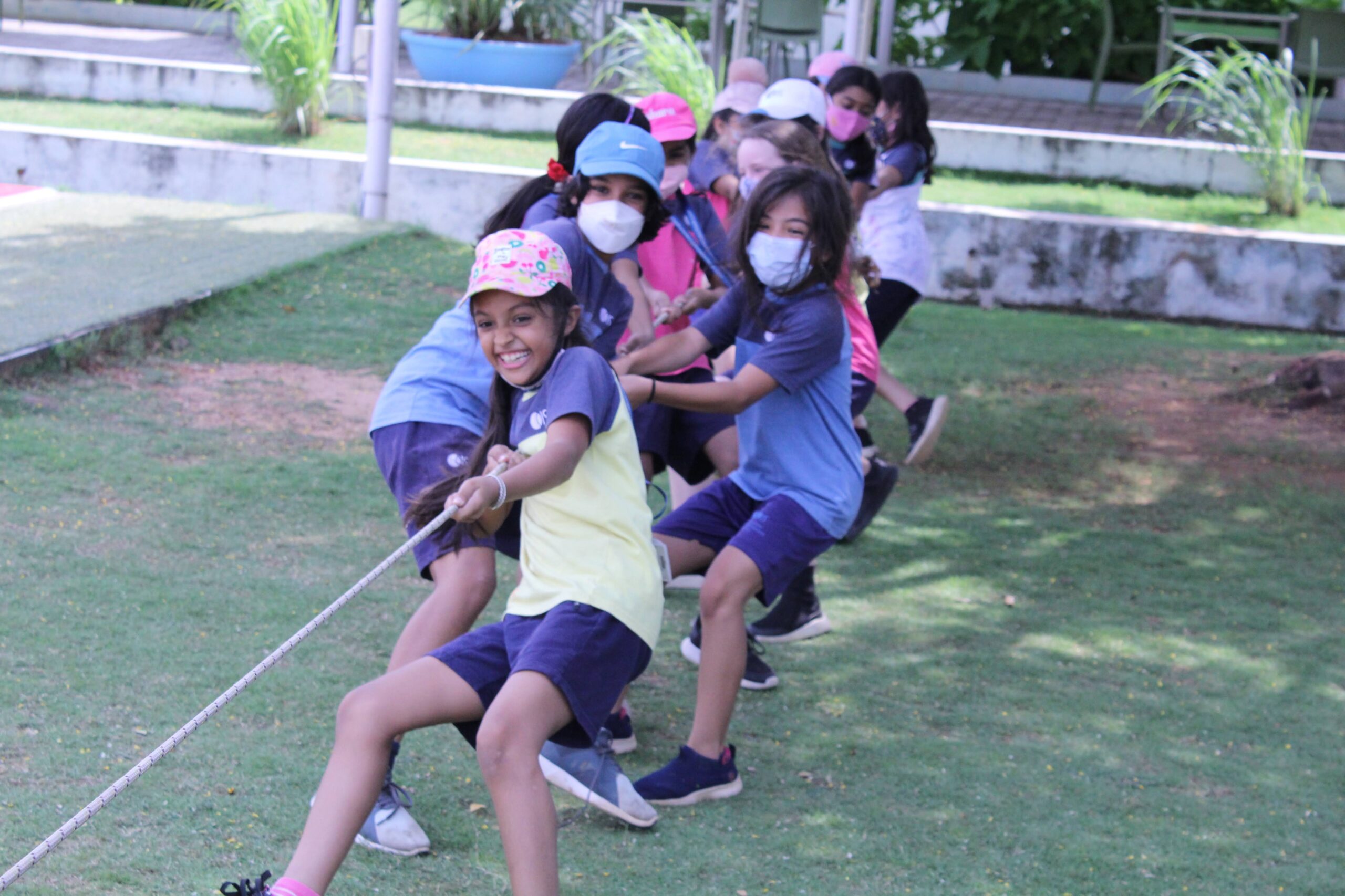
- Athletic and Social Skills: Participation in traditional sports promoted physical fitness, fair play, and the importance of teamwork and discipline.
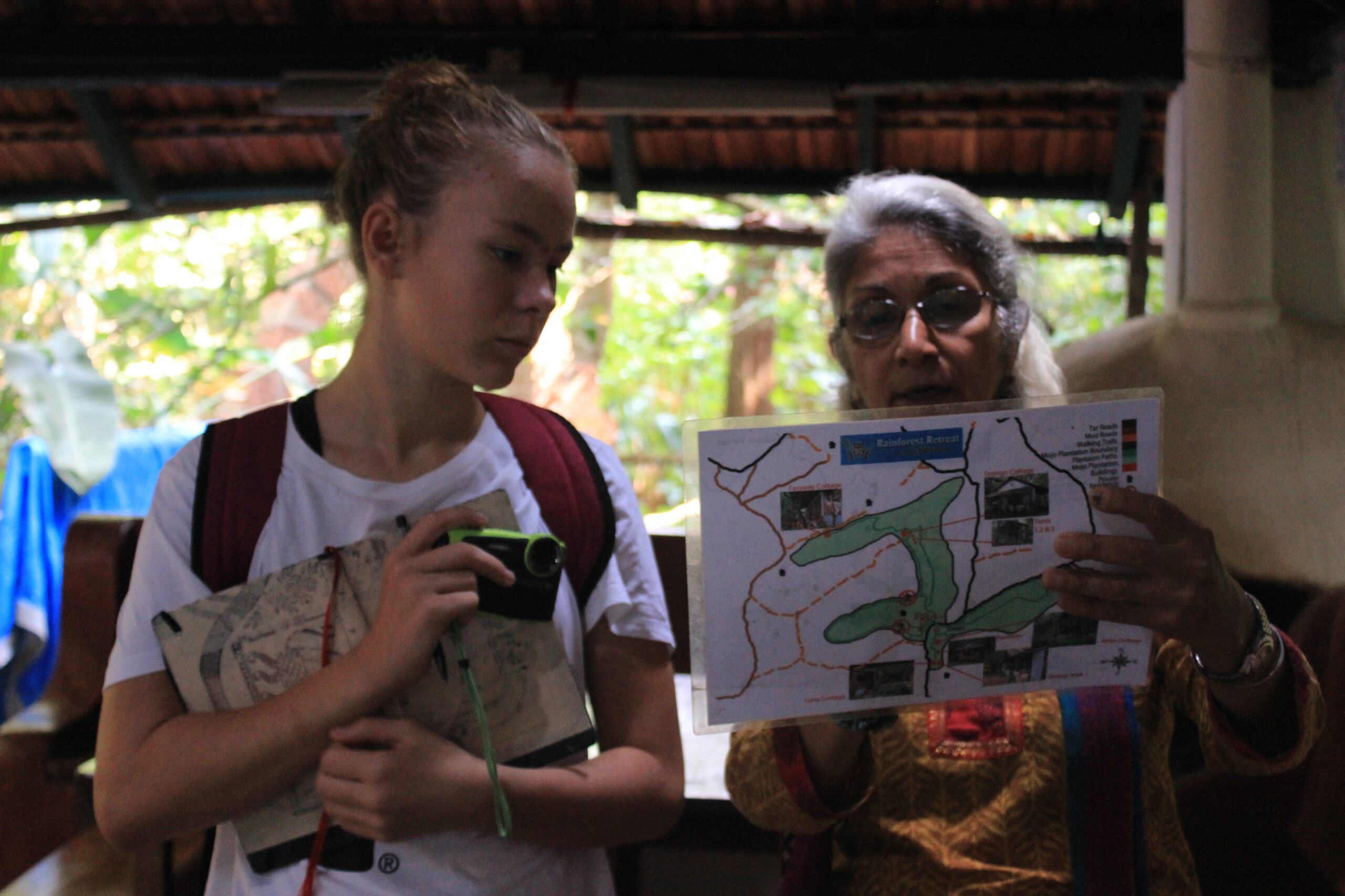
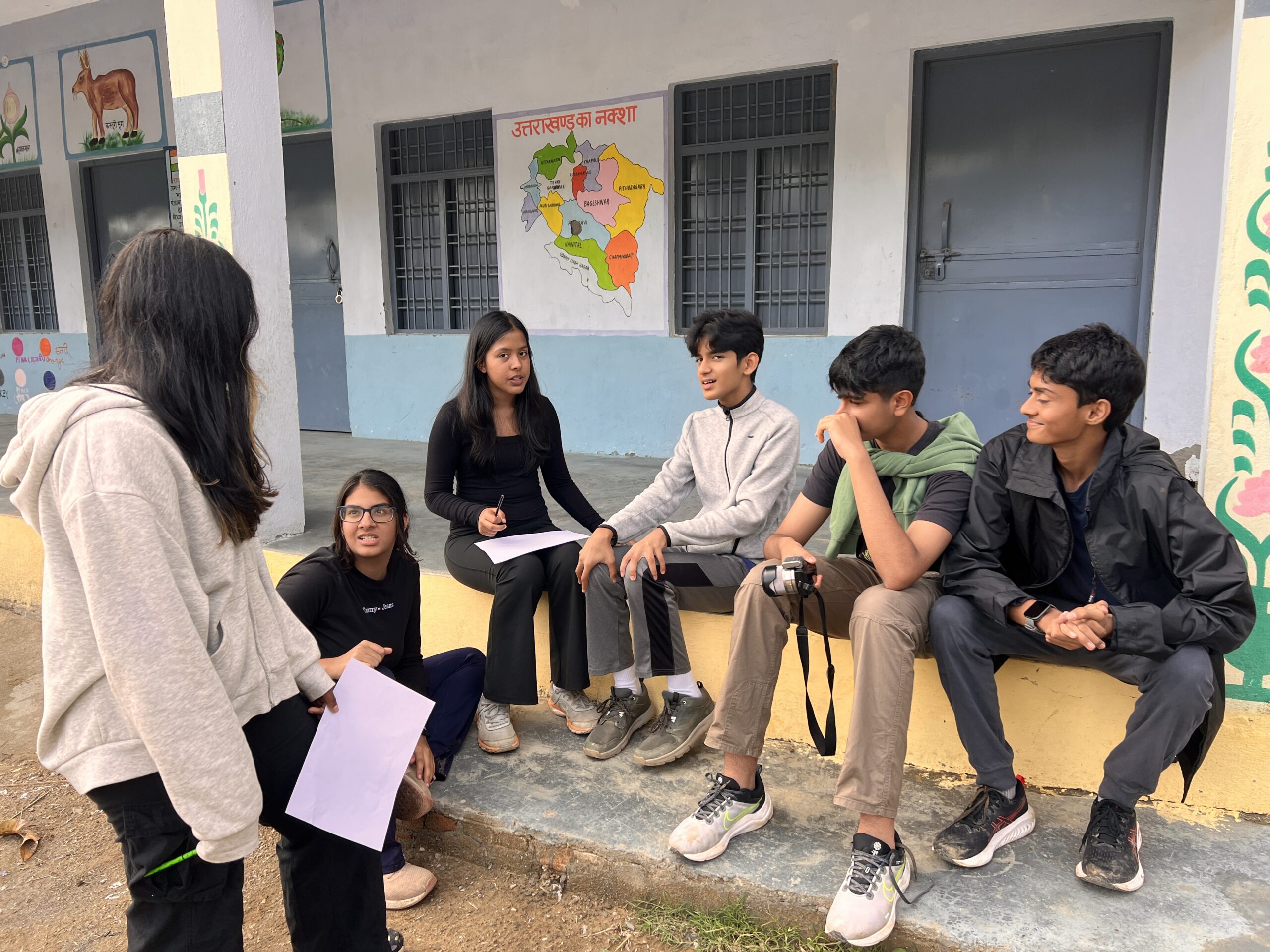
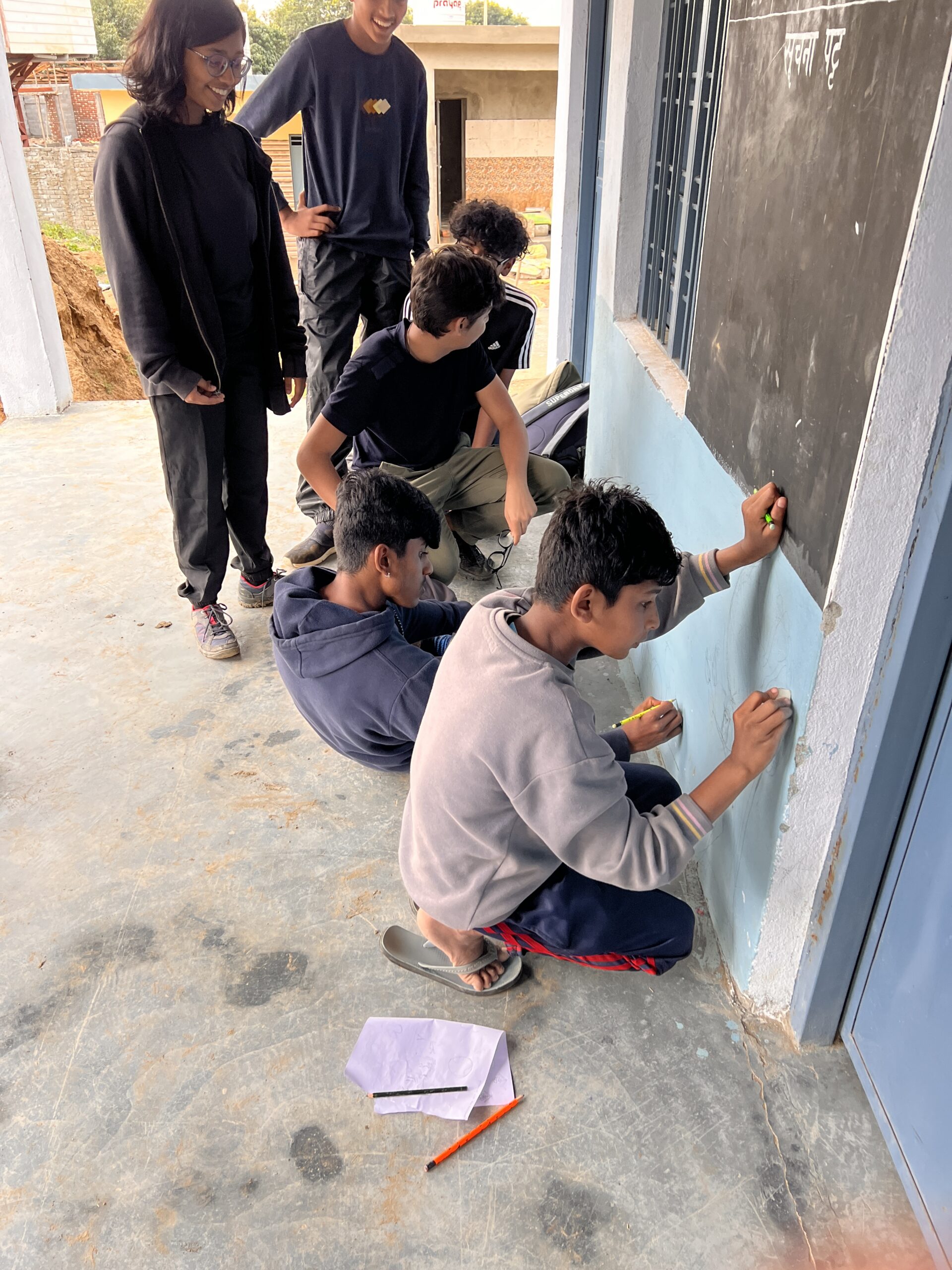
Elevate your learning with projects meticulously designed to complement academic goals. Following in the principles of Project based learning, our programs blend rigorous research methodology, deep reflection, and direct, hands-on engagement right here on campus and in our local community. This approach allows students to build critical context, apply classroom theory to complex, real-world problems, and deepen their mastery of subjects by becoming active problem-solvers and knowledge creators.
Our engagements offer a truly hands-on educational experience, transforming abstract concepts into tangible skills and ecological impact. Our past projects included.
These projects focus on environmental science, conservation, and practical sustainability, turning our campus into a living laboratory:
- Ecosystem Design and Construction: Students engaged in the full lifecycle of building a pond and rainforest ecosystem. This involved research into native species, water management, soil composition, and creating sustainable habitats.
- Biodiversity and Citizen Science: Initiatives like the campus Bio-Blitz (a rapid survey of all living species) and the creation of butterfly gardens and bee hives taught students about biodiversity monitoring, pollination, and ecological interdependence.
- Sustainable Infrastructure: Students researched and implemented sustainable systems, including setting up nesting boxes for local birds, developing a comprehensive waste audit and composting system, and establishing organic gardens and hydroponic systems for food security lessons.
These projects emphasize STEM principles, engineering design, and practical mechanics:
- Applied Mechanics and Engineering: Challenges like the Build-a-Bike project and basic auto mechanics provided practical lessons in physics, mechanics, troubleshooting, and tool safety.
- Robotics and Technology: Robotics projects introduced students to coding, electrical engineering, sensor technology, and complex problem-solving through design and competition.
- Food Science and Nutrition: The Garden-to-Table concepts linked food production directly to nutrition, culinary arts, and supply chain awareness, offering a practical lesson in farm-to-fork economics.
These activities fostered collaboration, leadership, and resilience:
- Collaborative Problem-Solving: Team challenges focused on communication, strategy, and leadership under pressure, enhancing soft skills crucial for any future career.
- Athletic and Social Skills: Participation in traditional sports promoted physical fitness, fair play, and the importance of teamwork and discipline.